When your Tampa Bay business needs a new or upgraded commercial HVAC system, the decisions you make upfront directly affect comfort, operating costs, downtime, and long-term reliability. A well-planned commercial HVAC installation considers everything from precise load calculations and equipment selection to local permitting, efficient integration, and ongoing performance.
At Caldeco, we bring decades of experience as a Carrier Factory Authorized Dealer serving commercial clients across Hillsborough, Pasco, Hernando, and surrounding counties. If you are evaluating options for your facility, our team can walk you through the specifics and provide a clear proposal tailored to your building and operational needs. Call our experts at (813) 254-2211 to get started.
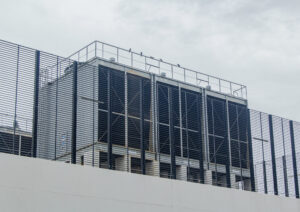 In Florida’s hot, humid climate, heating and cooling represent one of the largest ongoing expenses for commercial properties. According to the U.S. Department of Energy, the energy devoted to heating and cooling buildings accounts for around 35% of all energy consumption, the largest share attributable to any end use.
A professionally designed and installed system does more than move air. It maintains consistent temperatures and humidity levels that support employee productivity, protect equipment and inventory, and create a better experience for customers. Poorly sized or installed equipment often leads to higher utility bills, frequent repairs, uneven comfort zones, and premature system failure.
Businesses that invest in a properly executed commercial AC installation in Tampa typically see improved energy performance and fewer operational disruptions. When you work with an experienced local team, you also gain guidance on equipment that meets current efficiency standards and integrates smoothly with your existing building systems.
If your current system is struggling to keep up or your energy costs have climbed, now is a good time to explore a full assessment. Contact our team for an on-site evaluation.
Every successful project follows a structured sequence that minimizes surprises and protects your business operations.
A thorough site evaluation examines your building’s square footage, occupancy patterns, insulation, windows, lighting, and any unique heat-generating equipment. Accurate Manual J or equivalent load calculations determine the correct system capacity. Undersized equipment runs constantly and fails to control humidity; oversized equipment short-cycles, wastes energy, and creates temperature swings.
We match equipment to your specific needs - rooftop units, split systems, VRF, or custom solutions - while considering efficiency ratings, sound levels, and future serviceability. In Tampa’s climate, paying attention to sensible and latent (humidity) loads is especially important for year-round comfort and indoor air quality.
Existing ductwork is inspected and sealed or modified as needed. Electrical service, controls, and condensate drainage are planned to code. This phase often reveals opportunities to improve overall system performance before new equipment arrives.
Trained technicians install the new equipment with attention to vibration isolation, proper refrigerant charging, airflow balancing, and control integration. We coordinate timing to limit disruption to your daily operations whenever possible.
After installation, the system undergoes rigorous testing and commissioning to verify performance against design specifications. You receive documentation, training for your team, and recommendations for the first maintenance visit.
For businesses in the Brandon or Riverview areas looking for additional localized details on the installation process, see our commercial AC installation resource.
Florida’s heat and humidity place extra demands on commercial systems. High latent loads mean humidity control is just as critical as temperature control. Systems must be selected and installed to handle moisture effectively, or you risk mold issues, uncomfortable occupants, and higher energy use from overcooling.
Proper insulation, sealed ductwork, and correctly placed supply and return air diffusers all contribute to performance. We also evaluate opportunities for energy recovery, demand-controlled ventilation, and smart controls that adjust based on occupancy and conditions.
Permitting protects your investment and ensures the work meets current Florida Building Code and local amendments. Requirements vary slightly by county, but the general process is similar.
Most new commercial HVAC installations or significant replacements require a mechanical permit. Larger projects may also need a Notice of Commencement recorded with the county clerk. Plan review times for commercial work often range from several weeks to over a month depending on project complexity and department workload.
Working with a licensed contractor who regularly navigates these local processes helps avoid delays. We handle the paperwork and coordinate inspections so you can focus on running your business. Requirements can change, so we always verify current details for your specific address and project scope.
Timelines depend on project size, equipment availability, and permitting.
A straightforward rooftop unit replacement on an existing building might be completed in a few days to a couple of weeks once permits are in hand. Larger new-construction or multi-unit projects often take several weeks to a few months from initial assessment through final commissioning. Equipment lead times for high-efficiency or specialized units can add several weeks, so early planning helps.
We provide a realistic schedule during the proposal stage and keep you updated as the project progresses. Minimizing downtime is always a priority.
Upgrading to higher-efficiency equipment can deliver meaningful operating cost reductions. ENERGY STAR certified light commercial HVAC equipment uses approximately 17% less energy than standard equipment. Proper installation is critical - improper installation can reduce system efficiency by up to 30%.
A customized ROI analysis considers your current energy usage, proposed equipment efficiency ratings (SEER2, IEER, or EER), operating hours, and local utility rates. Many businesses see payback periods that make the upgrade financially attractive over the system’s life, especially when factoring in reduced repair costs and improved occupant comfort. Our team can prepare a detailed projection for your facility during the consultation process.
Even the best-installed system performs best with regular professional care. Preventive maintenance preserves efficiency, extends equipment life, maintains manufacturer warranties, and supports good indoor air quality. We offer maintenance plans designed specifically for commercial properties that include scheduled inspections, filter changes, coil cleaning, and performance reporting.
Learn more about how our commercial AC service programs complement a new installation and help protect your investment.
Look for a contractor with proven commercial experience, proper licensing, manufacturer authorizations (such as Carrier Factory Authorized Dealer status), and a local reputation for quality work and responsive service. Ask about their process for load calculations, permitting support, commissioning, and post-installation support. References from similar commercial projects in the Tampa Bay area are also valuable.
At Caldeco, we combine technical expertise with a commitment to clear communication and minimal disruption to your operations. If you are ready to discuss your project, we are here to help. Call our experts at (813) 254-2211 to speak to our team.
What Factors Should Tampa Bay Businesses Consider When Planning Commercial HVAC Installation? Key considerations include accurate load calculations for your specific building and usage, equipment efficiency ratings suited to Florida’s climate, potential downtime during installation, permitting requirements in your county, long-term operating costs, and integration with existing controls or building management systems. A reputable contractor will address all of these during the assessment phase.
How Long Does a Typical Commercial HVAC Installation Take in the Tampa Bay Area? Timelines vary widely. Simple replacements may take days to a couple of weeks after permits are approved. Larger or more complex projects often require several weeks to a few months from initial evaluation through commissioning. Equipment availability and plan review times are the most common variables.
What Permitting Is Required for Commercial HVAC Projects in Hillsborough, Pasco, or Hernando Counties? Most new installations or major replacements require a mechanical permit. Larger projects may also need a recorded Notice of Commencement. Each county manages its own process through online portals - HillsGovHub in Hillsborough, Pasco’s Building Construction Services portal, and Hernando County’s current permitting system. A licensed contractor familiar with local requirements can manage the submission and inspection coordination.
How Can I Maximize Energy Efficiency and ROI with a New Commercial HVAC System? Start with right-sized, high-efficiency equipment (look for ENERGY STAR certified options where applicable), professional installation that includes proper charging and airflow balancing, and sealing or upgrading ductwork as needed. Pair the new system with smart controls and a consistent maintenance program. Many businesses recover a significant portion of the investment through lower utility bills and reduced repair frequency over the equipment’s lifespan.
What Role Does Proper Maintenance Play After Commercial HVAC Installation? Regular professional maintenance preserves the efficiency gains from your new system, helps maintain warranties, prevents small issues from becoming costly repairs, and supports healthy indoor air quality. We recommend scheduled service plans tailored to commercial operating schedules and equipment type.
How Do I Choose the Right Commercial HVAC Contractor for My Tampa Business? Prioritize experience with commercial projects of similar scope, proper state licensing, manufacturer training or authorization, strong local references, and a clear process that includes load calculations, permitting support, and post-installation service. Transparent communication and a focus on minimizing business disruption are also important indicators of a reliable partner.
What Are the Signs That My Current Commercial HVAC System Needs Replacement or Major Upgrade? Common indicators include rising energy bills without changes in usage, frequent or costly repairs, uneven temperatures or humidity issues, unusual noises or odors, and equipment age approaching or exceeding typical service life (often 15–20+ years depending on maintenance and conditions). An on-site assessment provides clarity on whether repair or replacement makes more sense.
Can a New Commercial HVAC Installation Improve Indoor Air Quality for My Employees and Customers? Yes. Modern systems with proper filtration, humidity control, and ventilation strategies can significantly improve indoor air quality. Options such as upgraded filters, UV lights, or dedicated outdoor air systems can be incorporated during installation to address specific concerns like allergens, odors, or occupant density.
When you are ready to move forward with professional commercial HVAC installation that addresses your building’s unique needs, permitting requirements, and long-term efficiency goals, Caldeco is prepared to help. Our team delivers clear guidance, quality workmanship, and ongoing support so your investment continues to perform for years to come.
Contact us today to schedule a consultation, request our Commercial HVAC Installation Checklist, or receive a customized ROI analysis for your facility. Call (813) 254-2211 or fill out our online form to get started. We look forward to partnering with you on a successful project.